Mental Performance Consulting
Performance is about more than talent, preparation, or physical ability. It's also about what happens mentally: how you respond to pressure, manage setbacks, maintain confidence, and navigate the expectations you place on yourself.
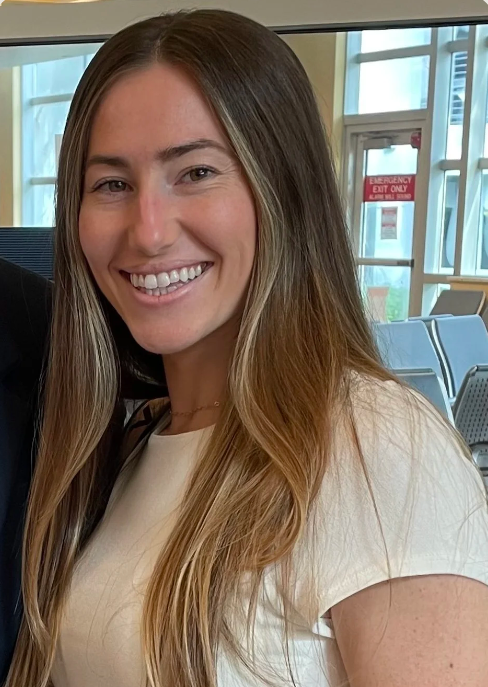
At Health Psychology Associates, Brook Zannier, MS, CMPC, provides mental performance consulting for athletes and performers looking to strengthen their mental skills, enhance performance, and develop a healthier relationship with achievement. Through an individualized, whole-person approach, Brook helps clients build the psychological tools to navigate challenges, reach their potential, and sustain success over time.
Ready to begin? Contact us: bostonhealthpsych.com/contact | 617-882-2363
What is Mental Performance Consulting?
Mental performance consulting focuses on developing the psychological skills that support consistent, effective performance. While physical training, technical ability, and preparation are essential, mental skills often play an equally important role in how athletes and performers approach challenges and perform under pressure.
Mental performance consulting helps individuals understand and strengthen the connection between their thoughts, emotions, behaviors, and performance. Rather than focusing exclusively on outcomes, the work emphasizes the mental processes and skills that help individuals perform with greater confidence, focus, and resilience.
At HPA, mental performance consulting takes a whole-person approach, recognizing that mental well-being and performance are interconnected. The goal is not simply to perform better, but to develop sustainable skills that support both personal growth and long-term success.
What Mental Performance Consulting Addresses
Confidence and performance anxiety
Doubt, fear of failure, and the pressure to meet expectations can interfere with performance, even when someone has the skills and preparation to succeed. Mental performance consulting helps individuals build confidence, manage performance-related anxiety, and develop a more supportive relationship with their abilities. The focus is on learning to trust preparation, manage self-doubt, and approach challenging situations with greater confidence.
Focus and concentration
Maintaining focus can be difficult when distractions, expectations, and high-pressure situations compete for attention. Whether preparing for a competition, performing in front of an audience, or navigating an important opportunity, developing strategies to manage attention is essential. Clients work on strengthening concentration, staying present, and redirecting attention when it becomes disrupted.
Emotional regulation and managing pressure
Athletes and performers experience a range of emotions, including excitement, frustration, disappointment, and anxiety. Learning to recognize and regulate these emotions can make a meaningful difference in performance. Mental skills work helps individuals respond more effectively to pressure, manage emotional intensity, and maintain composure during challenging moments.
Resilience and responding to adversity
Setbacks, mistakes, disappointing outcomes, and unexpected challenges are inevitable parts of performance. Developing resilience means learning how to respond to these experiences without allowing them to define future performance. Clients work on building perspective, managing setbacks, and developing strategies to move forward with intention.
Goal setting and motivation
Setting goals is an important part of growth, but knowing how to establish meaningful goals and stay motivated throughout the process can be challenging. Mental performance consulting helps individuals develop realistic, actionable goals, strengthen motivation, and maintain focus on the process rather than becoming consumed by outcomes.
Injury recovery and returning to performance
Injuries can affect much more than physical ability. Athletes and performers may experience fear of reinjury, loss of confidence, frustration, changes in identity, or uncertainty about returning to their previous level of performance. Mental performance consulting supports the psychological side of injury recovery, helping individuals navigate these challenges, rebuild confidence, and develop psychological readiness to return to sport or performance.
Navigating transitions and changing expectations
Performance journeys are rarely linear. Moving to a higher level of competition, transitioning between seasons, experiencing changes in roles, or adjusting to new expectations can create significant mental and emotional challenges. Developing mental skills can help individuals navigate transitions while maintaining perspective, motivation, and a sense of purpose.
Who We Work With
Mental performance consulting at HPA is designed for athletes and performers across a diverse range of disciplines and experience levels.
This service may be particularly well-suited for:
Athletes looking to strengthen confidence, focus, and consistency in competition.
Individuals experiencing performance anxiety or difficulty managing pressure.
Athletes and performers navigating perfectionism, self-doubt, or fear of failure.
Individuals looking to improve emotional regulation and resilience.
Athletes recovering from injury who are experiencing fear of reinjury or difficulty rebuilding confidence.
Performers preparing for important competitions, auditions, presentations, or other high-pressure opportunities.
Individuals navigating transitions in their sport or performance journey.
Athletes and performers who want to strengthen their mental skills proactively, even when things are going well.
Whether you're working toward a specific performance goal, navigating a difficult period, or simply looking to strengthen your mental approach, mental performance consulting can help you develop skills that extend beyond your sport or discipline.
Meet Your Mental Performance Consultant
Brook Zannier, MS, CMPC
Brook is a Certified Mental Performance Consultant (CMPC) and HPA's Intake Manager. In addition to overseeing the intake, scheduling, and client-therapist matching process, she specializes in mental skill building and performance enhancement, working with athletes and performers across a diverse range of disciplines.
Brook supports individuals through every phase of their performance journey, from preparation and competition to the off-season and recovery from injury. Her work focuses on developing essential mental skills, including confidence, focus, emotional regulation, resilience, goal setting, and effective responses to adversity.
Her approach recognizes that mental well-being and performance are deeply interconnected. By working with the whole person while keeping each individual's goals at the forefront, Brook helps clients develop practical strategies to navigate challenges, reach their potential, and sustain success over time.
Mental Performance Consulting and Your Overall Well-Being
Performance does not happen in isolation. The pressures associated with achievement, competition, and high expectations can influence confidence, motivation, emotional well-being, and how individuals view themselves.
At HPA, we recognize that supporting performance also means recognizing the person behind it. Mental performance consulting provides an opportunity to explore the psychological challenges that influence performance while developing practical skills that support broader well-being.
Whether you're working toward a specific goal, navigating an injury, or trying to find a healthier and more sustainable approach to achievement, the work is centered on your individual experiences and goals.
Practical Information
Location and format
Mental performance consulting at HPA is available exclusively via secure telehealth nationwide, allowing athletes and performers to access support regardless of where they live.
Getting Started
If you're interested in mental performance consulting, contact HPA to learn more about working with Brook and determine whether this service is a good fit for your goals.
Contact us: bostonhealthpsych.com/contact | 617-882-2363
Frequently Asked Questions
What is a Certified Mental Performance Consultant (CMPC)?
A Certified Mental Performance Consultant (CMPC) is a professional credential in the field of mental performance. CMPCs specialize in helping athletes and performers develop psychological skills that support performance, including confidence, focus, motivation, emotional regulation, and resilience.
Is mental performance consulting only for competitive athletes?
No. Mental performance consulting can benefit individuals across a variety of sports and performance disciplines. This may include athletes, performers, and individuals who regularly navigate high-pressure situations or want to strengthen their ability to perform consistently.
Do I need to be experiencing performance difficulties to work with a mental performance consultant?
Not at all. Mental performance consulting is not exclusively for individuals struggling with performance. Many athletes and performers seek support proactively to strengthen their mental skills, improve consistency, build confidence, and prepare for future challenges.
Can mental performance consulting help with performance anxiety?
Yes. Managing performance-related anxiety is one area of mental performance work. Clients can develop strategies to manage pressure, respond to self-doubt, regulate emotions, and maintain focus in high-stakes situations.
Can mental performance consulting help with injury recovery?
Yes. Injury recovery can involve psychological challenges alongside physical rehabilitation. Fear of reinjury, loss of confidence, frustration, and uncertainty about returning to performance are common concerns. Mental performance consulting can help individuals address these challenges and strengthen their psychological readiness to return.
What is the difference between mental performance consulting and therapy?
Mental performance consulting focuses specifically on developing psychological skills that support performance, such as confidence, focus, motivation, and resilience. Traditional psychotherapy generally focuses on addressing mental health concerns and broader emotional or psychological difficulties. Although the two can complement one another, they have different areas of focus.
Can I participate in mental performance consulting while working with a therapist?
Mental performance goals and broader mental health goals can sometimes overlap. If you're currently working with a therapist and are interested in adding mental performance consulting, contact HPA to discuss your goals and determine whether this would be a helpful addition to your care.
Are sessions available outside of Massachusetts?
Yes. Mental performance consulting with Brook is available through secure telehealth nationwide.
How long does mental performance consulting take?
The length of the work depends on your individual goals, needs, and areas of focus. Some individuals may seek support around a specific competition, transition, or injury recovery, while others may benefit from ongoing mental skills development throughout their performance journey.
Schedule your consultation: bostonhealthpsych.com/contact | 617-882-2363